Understanding Park Shore Beach Access in Naples
January 22, 2026
January 22, 2026
Unsure who can step onto the sand in Park Shore or how you and your guests get there? You are not alone. Between private associations, recorded easements, and local rules, beach access can feel confusing when you first start researching homes in this waterfront neighborhood. This guide breaks it down so you can compare options with confidence and plan the lifestyle you want. Let’s dive in.
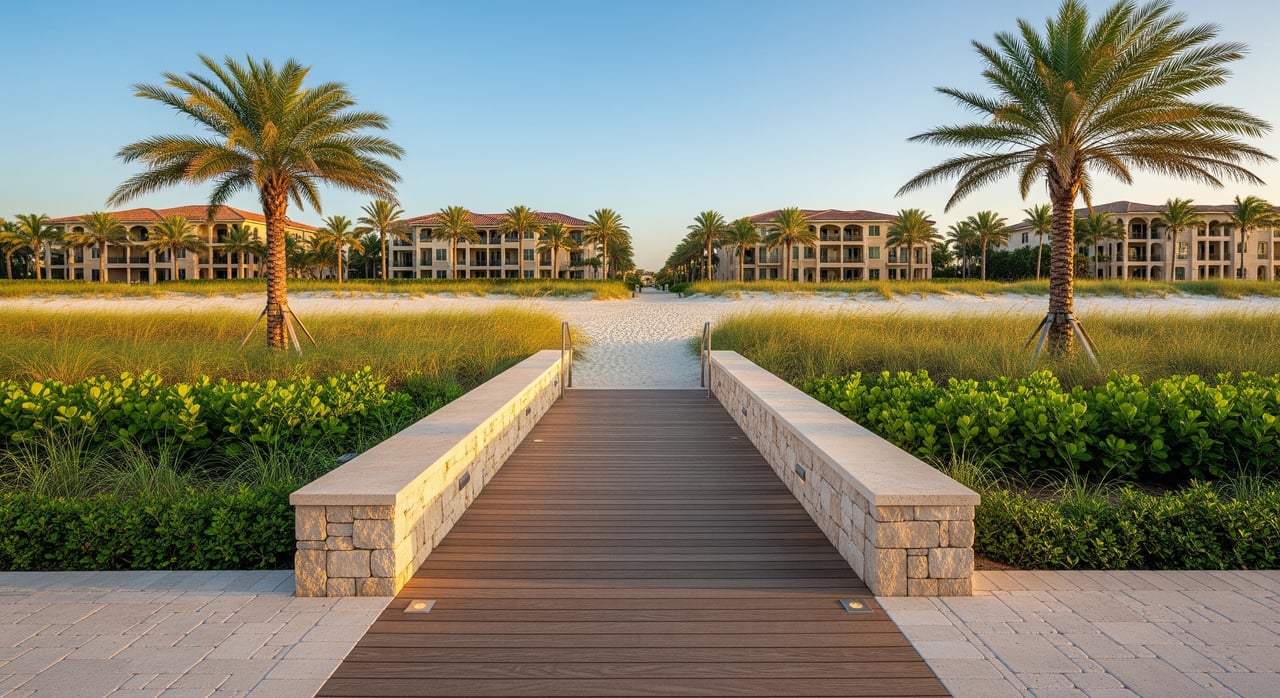
In Florida, the wet sand seaward of the mean high water line is held in trust by the state, while the dry sand upland is often privately owned. In Park Shore, that dry sand access is usually controlled by association documents, recorded easements, or deeded rights rather than a blanket public entitlement. If you are buying here, your access depends on the specific property and its recorded rules.
Two state laws outline how associations manage common elements and access. Condo buildings follow the Florida Condominium Act (Chapter 718). Single‑family communities with HOAs follow the Florida Homeowners’ Association Act (Chapter 720). Coastal projects and beach management also involve permitting and oversight. For context, you can review state programs through the Florida Department of Environmental Protection’s coastal and beach pages.
Every Park Shore property is governed by its own recorded documents. The most common patterns are below so you know what to look for as you compare listings.
Many Park Shore condos grant owners the right to use the beach and access points as a common element. Your association typically holds or manages that access and sets the rules for hours, guest privileges, chair and umbrella policies, and renter registration. The board enforces the rules and funds maintenance through regular assessments that appear in your monthly or quarterly dues.
If you buy a single‑family home on the Gulf, you may have direct private access across your upland beach area, subject to local regulations. Some non‑Gulf‑front lots rely on a recorded private easement or a shared community walkway managed by a small HOA. Maintenance and liability for those structures are typically assigned in the deed or HOA covenants.
Associations often manage beach access with owner ID cards, guest passes, and parking permits. Some allow renters to use the beach during their lease term, while others limit access to owners and registered guests only. Expect rules on the number of guests, how passes are issued, and whether any access points are gated or keyed.
Regular upkeep like dune vegetation, boardwalk repairs, and trash removal is usually funded through routine assessments. Larger projects such as beach renourishment or emergency dune repairs can trigger special assessments or reserve usage. Always check budgets, reserve studies, and meeting minutes to see what costs may be upcoming.
Coastal work and beachfront lighting are regulated to protect the shoreline and wildlife. During nesting season, communities follow dark‑sky lighting standards guided by the Florida Fish and Wildlife Conservation Commission. If you intend to change fixtures or landscape near the dunes, your association or local permitting authority will outline what is allowed and when.
Choosing between a condo and a single‑family home in Park Shore often comes down to how you want to manage access and maintenance.
Beach access in Park Shore is specific to each property. Use this checklist to confirm what you are getting.
Venetian Village is a bayfront shopping and dining hub that many Park Shore owners enjoy by foot or bike. It is a neighborhood landmark for boutiques, restaurants, and marina access on the bay side of Gulf Shore Boulevard. Learn more on the Venetian Village website.
It is important to distinguish that Park Shore’s private beach access points are on the Gulf side and are governed by deeds and associations. If you want a guaranteed public beach day with amenities like public parking or lifeguards at some locations, the City of Naples maintains several options. You can explore locations, rules, and updates on the City of Naples Beaches page.
Private access often feels quieter and more controlled, which many buyers value. In exchange, you accept rules that may limit the number of guests, rental terms, and amenity use. Decide which balance of convenience and exclusivity suits your lifestyle.
Parking is another practical factor. Many Park Shore buildings assign owner parking and limit guest spaces. Ask whether your association provides beach‑area parking or relies on street options, and how guest permits work during peak season.
Amenities can vary widely. Some associations offer chairs and umbrellas, restrooms, seasonal services, or on‑site security. Others keep it simple with a path to the sand. If you plan improvements or coastal work, expect permitting and compliance with county and state programs. For broader context on coastal programs and permitting, refer to Collier County’s official site and the Florida DEP beach management pages.
Finally, factor in risk and insurance. Beachfront properties sit in dynamic coastal zones influenced by storms, erosion, and flood designations. Your due diligence should confirm flood zone status, insurance coverage, and any planned shoreline projects.
When you spot a property you like, request the deed or condo declaration, the latest meeting minutes, the reserve study, and any notices of planned assessments. Confirm whether access is deeded or granted by the association, how passes work for guests and tenants, and who pays for beach maintenance. Visit the access points in person and consult a title company or real estate attorney if deed language or easements are unclear.
If you want a buyer’s advocate who knows Park Shore’s beachfront nuances and can streamline documents, scheduling, and negotiations, connect with Heather Hobrock. You will get boutique, white‑glove representation backed by international reach so you can move forward with clarity and confidence.
Stay up to date on the latest real estate trends.


On the Upcoming Development at Gulf Shore Boulevard North.

Key Lifestyle Features Include Water Access and Centrality in Naples.

Find Fantastic Cuisine on Third Street South and Naples Bay.
Representing Naples’ most notable communities and residences, Heather provides thoughtful, client-focused guidance shaped by experience, discretion, and an unwavering standard of excellence.