How to Price an Olde Naples Home in Today’s Market
December 4, 2025
December 4, 2025
Are you wondering what your Olde Naples home would command in today’s market? If you plan to sell in the next 6 to 12 months, you want a clear, confident pricing plan backed by local facts. In this guide, you’ll learn what drives value in downtown Olde Naples, how to build pricing bands instead of guessing a number, and how timing and presentation affect your bottom line. Let’s dive in.
Olde Naples is one of the most walkable, beach-close submarkets in Collier County. Buyers choose it for the lifestyle near the Pier, Third Street South, and Fifth Avenue, along with its mix of charming cottages and high-end coastal homes. That lifestyle focus shapes how they value each property.
Buyer demand centers on a few clear themes. Walkability to dining and the beach is a priority, and homes that are move-in ready often earn stronger offers. Waterfront or Gulf-view properties and those with short, accurate walk times to the beach or downtown usually command higher prices. In today’s interest-rate and insurance environment, buyers tend to be more price-sensitive on homes that need major work or carry higher ownership costs, so clear documentation and turnkey presentation help you stand out.
Your price should reflect four core factors that carry the most weight in Olde Naples.
Condition is often the single biggest price driver. A fully renovated, turnkey home can sell at a meaningful premium over a similar house that needs a remodel. Look closely at roof age, HVAC and plumbing, electrical upgrades, impact-rated windows and doors, and the quality of kitchens and baths. For older homes, clarify any structural or drainage items.
In practice, condition differences explain a large part of price gaps between nearby comps. The uplift or discount can be broad, so quantify it using recent sales that mirror your home’s floor plan and scope of work. A pre-listing inspection, clear photos of systems, permit history, and contractor bids build buyer confidence and reduce last-minute negotiations.
Lot quality sets a strong baseline. Gulf view or direct beach access typically delivers the largest location premium. Short-walk, beach-proximate lots also trade higher than homes farther inland. Corner or wider lots, privacy, mature landscaping, and a well-sited pool can improve appeal. Elevation and flood exposure matter as well, since they affect insurance and comfort.
To quantify this, compare sold properties on the same or similar streets that share your lot attributes. Isolate the view or walkability premium by matching living area and renovation level as closely as possible.
In Olde Naples, walkability is a value lever of its own. Buyers pay for the convenience of being a few minutes from the Pier or Third Street. Measure distance in real walking minutes and note the actual route. Claims like “3 to 4 minute walk to the beach” should be accurate.
Present comps that differ mostly in walk time. For comparable homes, fewer minutes to the beach or dining often shows up as a measurable price lift.
Comps are your anchor. In a low-inventory, high-variation market like Olde Naples, small differences in lot and renovation can move price a lot, so comp selection must be precise. Prioritize sold properties from the last 6 months when possible, or extend to 12 to 18 months for unique segments with fewer sales. Match on lot attributes first, then size, then renovation level and age. Use active and pending listings for context, but base your pricing bands on closed sales.
Local MLS data, Collier County property records, permit history, and recorded deeds provide the most reliable source material. National portals can offer context, but always verify against MLS and public records.
A single number invites guesswork. Pricing bands help you target the right outcome for your timeline and risk tolerance.
Use percentage ranges as a starting framework, then tailor to current comps and supply. For many Olde Naples homes, aggressive can be roughly 5 to 8 percent below target value, market is within about plus or minus 3 percent, and premium is roughly 5 to 15 percent higher for standout homes and lots. The exact numbers should come from recent closed sales and your property’s documentation.
You will build more credibility when you translate features into dollars supported by local sales.
Present these adjustments in your pricing packet with photos, permits, and summaries. The more you document, the less room there is for buyers to challenge your price later.
Naples has a clear seasonal pattern. High season runs roughly from November through April, when part-time residents and seasonal buyers increase traffic and urgency. If your timeline allows, listing in high season often leads to more showings and stronger competition.
Use the off-season to prepare. Plan renovations, landscape work, staging, and media so you can launch with polished visuals and complete documentation when buyer activity rises. If you need to sell during the low season, focus on standout presentation and fine-tune your pricing band to account for a smaller buyer pool. For well-priced, well-presented homes, plan for roughly 30 to 90 days on market depending on tier and market heat.
Olde Naples buyers are visual and lifestyle driven. The right prep often delivers an outsized return.
Prioritize high-impact, lower-cost wins first:
Consider larger upgrades if you aim for a premium:
Smaller cosmetic updates often deliver the best return ahead of listing. For major projects, weigh the cost and timeline against the price lift shown in your comps. In some cases, disclosing and pricing accordingly is smarter than rushing a remodel.
Because Olde Naples sits close to the Gulf, flood and insurance details matter. Many parcels may be in AE or VE flood zones, and buyers will ask about elevation and mitigation. Elevation certificates, FEMA flood maps, and recent insurance quotes help you set expectations early. Waterfront homes should include current seawall documentation.
Local records also matter. Collier County property and permitting records, along with MLS data and recorded deeds, help verify square footage, improvements, and legal compliance. Clear documentation reduces friction, supports your price band, and speeds due diligence.
Use this step-by-step plan as you prepare to list your Olde Naples home.
You deserve a pricing strategy that reflects the true lifestyle and market value of your Olde Naples home. A local, boutique approach pairs disciplined comps with premium presentation, clear documentation, and targeted marketing to seasonal and full-time buyers. When your agent integrates staging, high-end visuals, and concierge-level coordination, you maximize appeal and shorten your path to a strong outcome.
If you are ready to set your price with confidence, reach out to Heather Hobrock. You will get a clear pricing band backed by local sales, an action plan to elevate presentation, and guidance on timing and terms that align with your goals.
Stay up to date on the latest real estate trends.

On the Upcoming Development at Gulf Shore Boulevard North.

Key Lifestyle Features Include Water Access and Centrality in Naples.

Find Fantastic Cuisine on Third Street South and Naples Bay.
Wondering which one actually fits how you want to live?
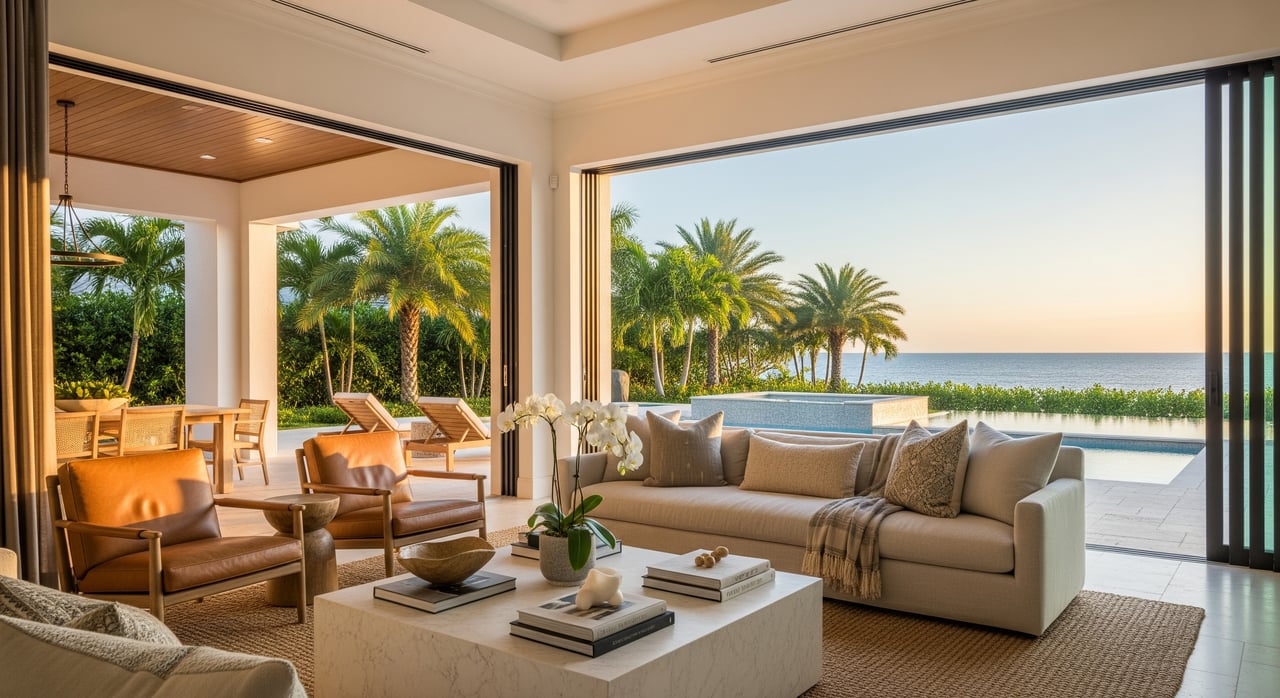
In this guide, you will learn staging strategies tailored to Pine Ridge Estates.
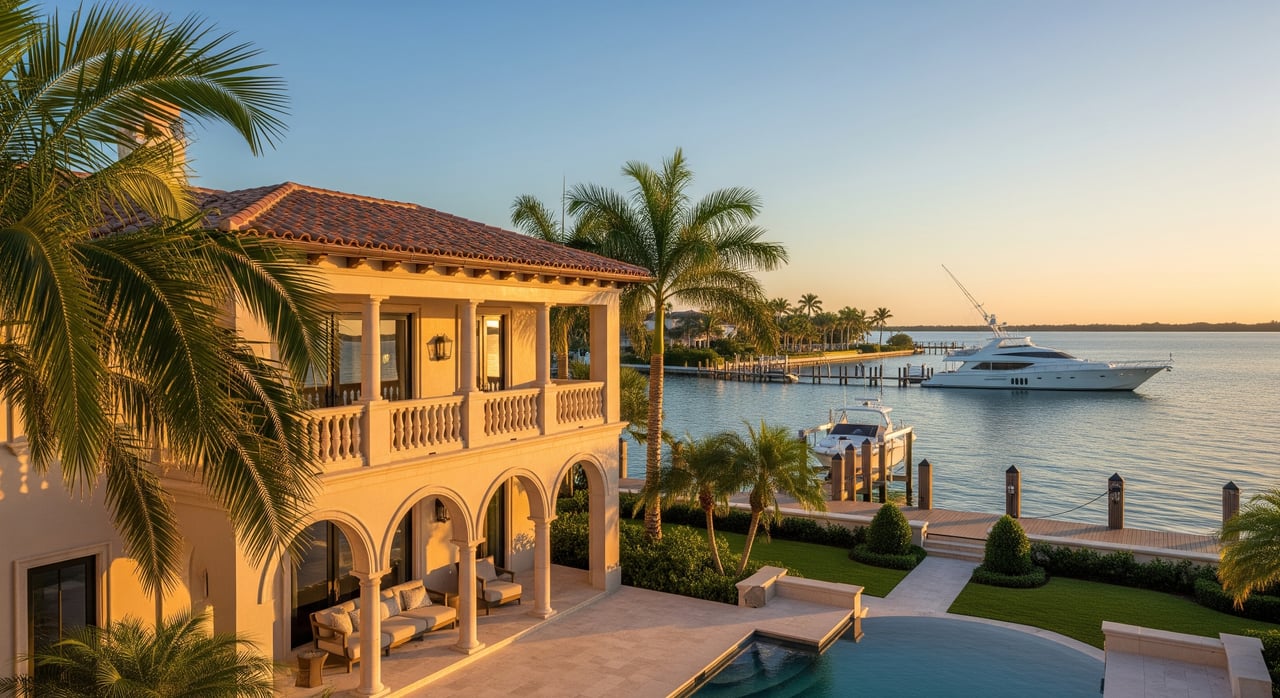
See exactly how a premium, global strategy works for luxury listings.
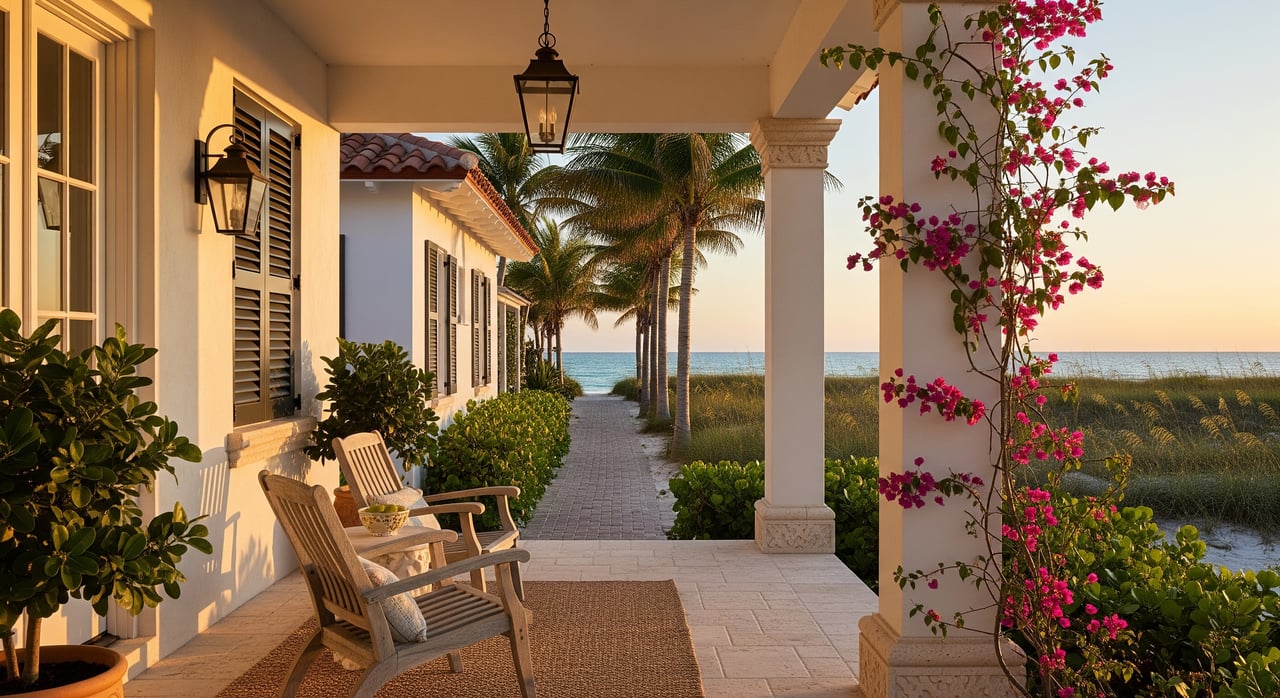
A compact, walkable grid brings the Gulf, dining, arts, and parks together in one polished coastal package.
Are you wondering what your Olde Naples home would command in today’s market?
Representing Naples’ most notable communities and residences, Heather provides thoughtful, client-focused guidance shaped by experience, discretion, and an unwavering standard of excellence.